

A pioneering new model of care is being launched to give patients faster, more flexible access to expert clinicians anywhere in England, without the need for a physical hospital site.
Through NHS Online, patients will be able to access remote consultations, follow-ups and ongoing condition management directly via the NHS app. Where in-person tests or procedures are needed, these will be booked at convenient local sites. This streamlined approach will reduce delays between referral and treatment, helping people begin their care sooner while easing pressure on local services for patients with more complex needs.
Over the next three years, the service is expected to provide the equivalent of 8.5 million appointments and assessments, four times more than the average trust, while giving patients greater choice and control over how their care is delivered.

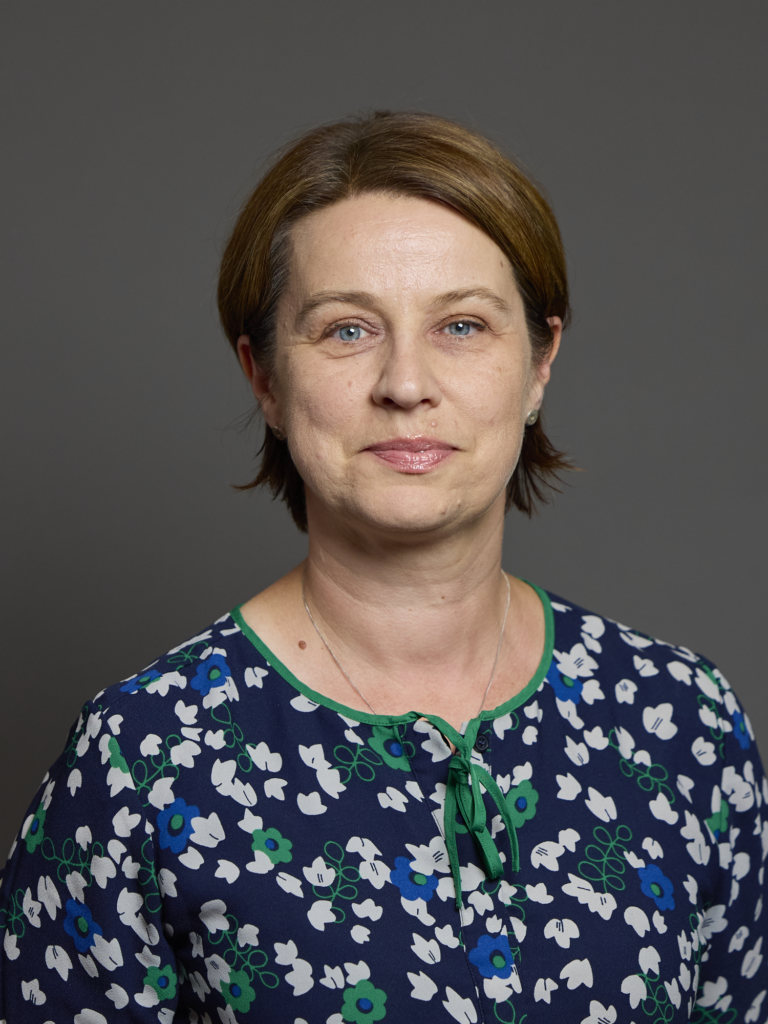
Speaking following the announcement, Amanda Hack said:
“We’ve made real progress over the past year in creating extra capacity across the NHS. More than 2,000 additional GPs have been recruited, and we’ve delivered 5 million more appointments, including over 150,000 across Derby, Leicester and Nottingham Hospital Trusts, and that’s just the start.
Launching a new online hospital service will give people faster access to specialists, without the need to travel long distances. Being able to book an online consultation with an expert anywhere in the country instead is a game changer for our area.
This service will also work hand-in-hand with the new Neighbourhood Care Service, of which North West Leicestershire is one of the first pilot areas, bringing high-quality care closer to home.”
Sir Jim Mackey, NHS chief executive, said:
“This is a huge step forward for the NHS and will deliver millions more appointments by the end of the decade, offering a real alternative for patients and more control over their own care.
Patients who choose to receive their treatment through the online hospital will benefit from us industrialising the latest technology and innovations, while the increased capacity will help to cut demand and slash waiting times.
The NHS can, must and will move forward to match other sectors in offering digital services that make services as personalised, convenient, and flexible as possible for both staff and patients.”
Case Studies
The NHS online hospital will build on tried and tested virtual innovations already in place across the country. Some examples include:
- University Hospital Southampton’s outpatient clinics were overwhelmed with follow-up appointments for patients with low-risk inflammatory bowel disease flare-ups. They developed a virtual follow-up pathway, enabling patients to access care remotely and initiate follow-up when needed, rather than being booked into routine slots. They used digital tools to monitor their symptoms and support decision-making. This led to a 73% reduction in consultant-led outpatient appointments, over 75% of patients managed virtually, and a 58% reduction in waiting times.
- Moorfields Eye Hospital identified issues with long waits for referrals to be reviewed, causing anxiety and distress for patients waiting for care. They introduced a Single Point of Access for virtual triage across multiple providers with all referrals coming into a single shared system. Staff assessed each referral digitally to quickly decide what kind of care was needed and where it should happen, with patients prioritised if urgent, directed to the right clinic if routine, or promptly informed if a referral wasn’t appropriate. Referral processing time reduced from 11 hours to two, with 58% of urgent referrals safely downgraded to routine clinics.
- At Barking, Havering and Redbridge University Hospitals NHS Trust, a partnership with Medefer has enabled virtual triage of 99% of referrals within 48 hours. This model has allowed 79% of patients to be seen virtually and 82% to be discharged without requiring a face-to-face appointment, demonstrating how digital triage can manage high volumes safely and efficiently.