

- Families to see lower energy bills in new homes as the government confirms new builds will have solar panels by default
- Proposed changes in the Future Homes Standard, being published in Autumn, will ensure new homes will be modern and energy efficient, cutting bills and boosting the nation’s energy security with clean, homegrown power
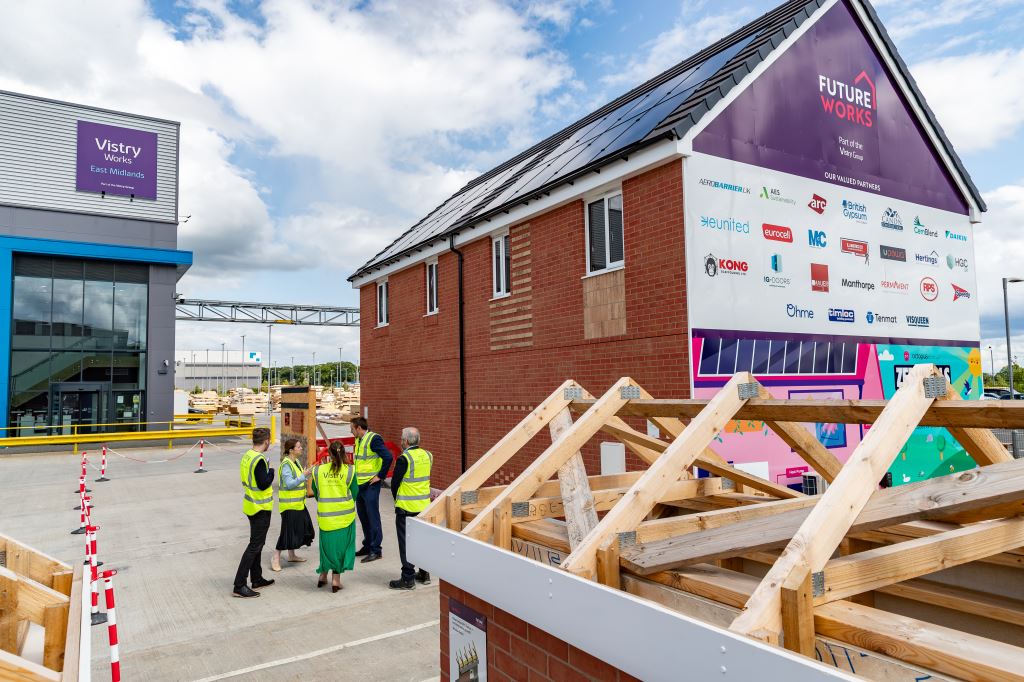
- Amanda Hack met with Vistry Group, the UK’s largest homebuilder, at their factory in Coalville to see firsthand their Modern Methods of Construction (MMC) and discuss their partnership with Octopus Energy aimed at slashing consumer bills
Working people stand to save hundreds of pounds off their energy bills as the government confirms new build homes will have solar panels by default, unleashing a rooftop revolution. Ministers are publishing the Future Homes Standard this autumn and have confirmed that solar panels will be included, leading to installation on the vast majority of new build homes.
A typical existing UK home could save around £530 a year from installing rooftop solar, based on the current energy price cap. This means the new proposals could significantly cut energy bills for the recipients of new build homes, tackling the cost of living for aspirational young families and new house buyers.
Under proposed changes, new homes will also have low-carbon heating, such as heat pumps and high levels of energy efficiency, cutting people’s energy bills and boosting the nation’s energy security with clean, homegrown power.
Following the visit, Amanda Hack said:
“It’s great to see Vistry setting the standard for low-carbon technologies and solar installations on new homes. Installing solar panels, which can save households hundreds of pounds on their energy bills, just makes common sense. We believe they should be included as standard wherever feasible. Many people are baffled that this isn’t already the norm. Our plan will change that.
This type of action will also help ease some of the strain on our grid network, helping households become more self-sufficient in their energy use. It’s time to do things differently, look at long-term planning, including our infrastructure, and build homes fit for the future.”
Jack Brayshaw, Head of Technical Innovation at Vistry Group, said:
“Vistry is wholeheartedly committed to the use of low-carbon technology – developing sustainable homes and communities is at the core of what we do. Over the past year alone, we have installed solar panels on nearly 10,000 homes, and solar panels and electric car chargers are part of our standard specification.
Vistry is proud to be leading the way on sustainable placemaking, but we know that there is more to be done. Working with our partners, we have also been increasing the number of air source heat pumps we install on-site and exploring other measures, such as heat recovery, to promote low-carbon technologies while reducing energy bills for our customers.
Through our unique partnerships model, we are committed to working with the government to optimise the benefits of low-carbon technology, future-proofing homes across the country.”
Nigel Banks, Zero Bills Director at Octopus Energy, said:
“People deserve lower energy bills, and adding solar panels to a house as it’s built is an incredibly effective way to slash costs from day one. With the right smart tech and storage added to the mix, some households won’t have to pay a penny for energy.
We’re delighted to see the Future Homes Standard enable house builders to now build the homes of the future.”